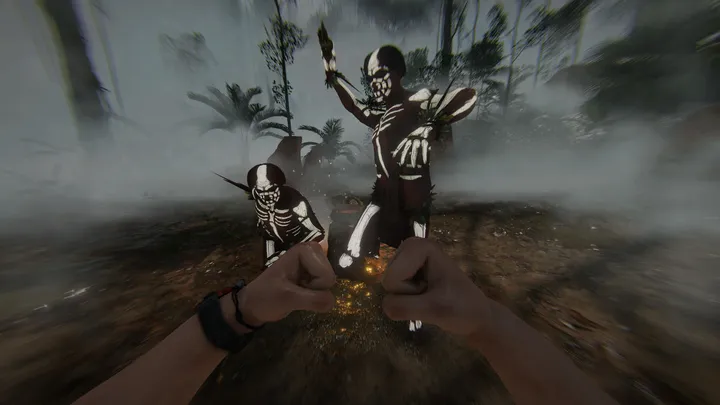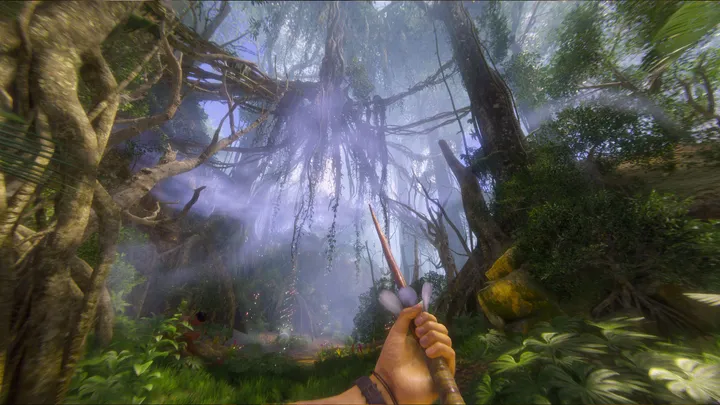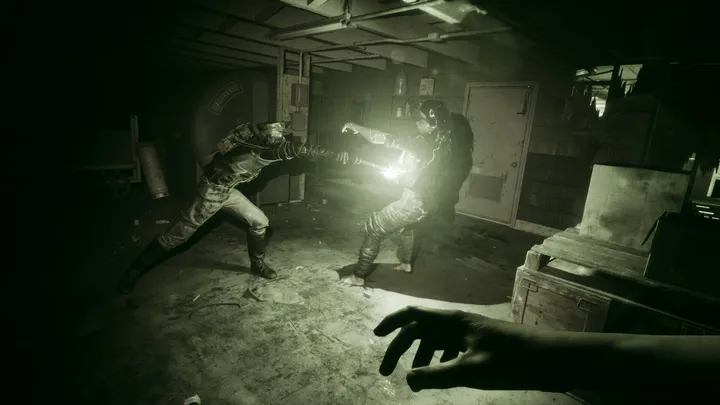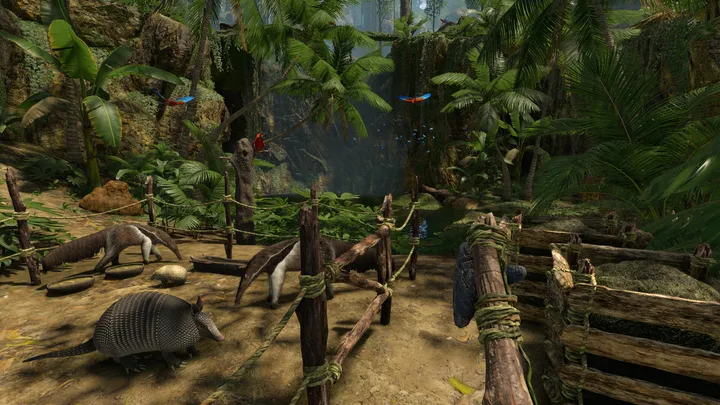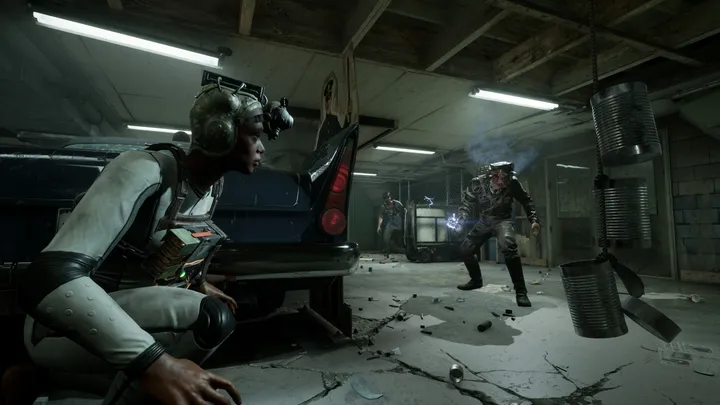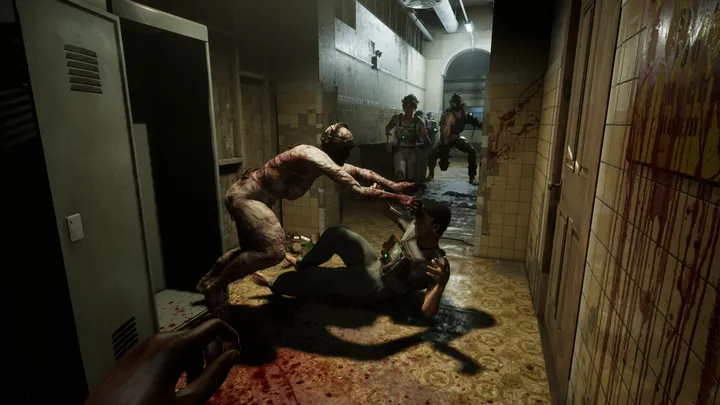






The Outlast Trials expands the horror formula established by the earlier entries in the Outlast franchise. Developed by Red Barrels, the game shifts from single-player terror to cooperative survival, placing players inside horrifying Cold War-era experiments conducted by the Murkoff Corporation.
At first, the transition to multiplayer appears refreshing. Players work together to survive brutal trials involving stealth, puzzles, enemy avoidance, and psychological manipulation. The environments are grotesque, enemies unpredictable, and the atmosphere deeply oppressive.
However, beneath its disturbing imagery lies a structural issue that becomes increasingly visible over extended play sessions: the erosion of psychological horror through repetition and system familiarity. Unlike traditional horror games that rely heavily on pacing and controlled tension, The Outlast Trials must sustain fear across repeatable multiplayer sessions. Over time, systems designed to terrify players become optimized routines.
This article explores one specific issue in The Outlast Trials: how repeated exposure to mechanics, enemy behavior, and cooperative efficiency gradually transforms psychological horror into mechanical optimization, weakening long-term fear and immersion.
1. The Foundation of Psychological Horror
The original Outlast games relied heavily on vulnerability.
Players had:
- Limited tools
- Minimal combat options
- Restricted information
H3: Fear Through Powerlessness
The core horror formula depended on:
- Isolation
- Uncertainty
- Helplessness
H4: Controlled Pacing
Single-player design allowed developers to carefully control:
- Encounter timing
- Environmental tension
- Narrative escalation
Fear was structured intentionally.

2. Multiplayer Changes the Emotional Dynamic
The Outlast Trials introduces cooperative gameplay, fundamentally altering how fear functions.
H3: Shared Fear Becomes Shared Strategy
When players cooperate:
- Information spreads faster
- Threats become manageable
- Decision-making becomes collective
H4: Emotional Dilution
A terrifying moment alone becomes less frightening when:
- Teammates communicate constantly
- Players revive each other
- Group confidence increases
Fear weakens under coordination.
3. The First Hours: Maximum Terror
Early sessions in The Outlast Trials are highly effective psychologically.
H3: Uncertainty Dominates
New players lack:
- Map knowledge
- Enemy behavior understanding
- Objective familiarity
H4: Sensory Overload
The game bombards players with:
- Screaming enemies
- Disturbing visuals
- Loud environmental effects
- Chaotic objectives
Confusion amplifies fear significantly.
4. Enemy Pattern Recognition
Over time, players begin recognizing behavioral patterns.
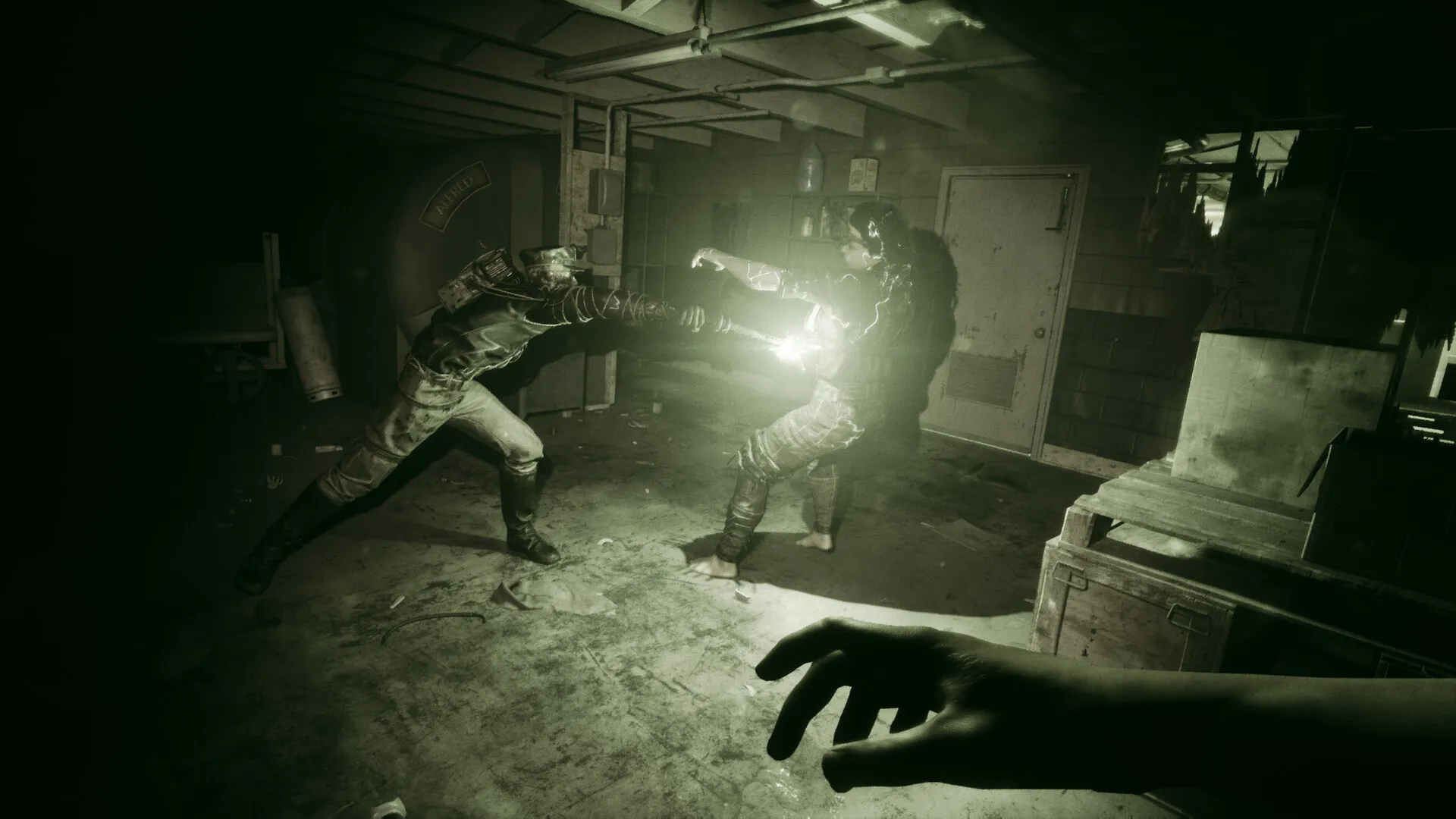
H3: Predictable AI Loops
Enemies follow:
- Patrol routes
- Aggro triggers
- Chase limitations
H4: Fear Becomes Calculation
Players eventually learn:
- Safe hiding spots
- Chase timings
- Escape routes
Once understood, enemies lose unpredictability.
5. Objective Optimization and Repetition
The trial structure encourages replayability, but replayability conflicts with horror.
H3: Objective Familiarity
Repeated runs teach players:
- Efficient routes
- Puzzle solutions
- Resource locations
H4: Horror Transforms Into Efficiency
Instead of reacting emotionally, players begin optimizing:
- Completion speed
- Team coordination
- Resource conservation
The experience becomes procedural.
6. Communication as a Fear Suppressant
Voice communication dramatically alters tension.
H3: Information Reduces Anxiety
Players constantly share:
- Enemy positions
- Objective progress
- Safe movement paths
H4: Emotional Buffering
Humor and casual conversation reduce immersion.
List – Common Multiplayer Behaviors
- Joking during chases
- Calling out predictable enemy behavior
- Speedrunning objectives
- Treating scares as entertainment
Social interaction weakens isolation.
7. Resource Systems and Risk Management
The game’s item systems also affect fear sustainability.
H3: Tools Create Confidence
Players gain access to:
- Healing items
- Stun devices
- Escape tools
H4: Reduced Vulnerability
The more tools players possess:
- The safer they feel
- The more aggressively they move
- The less oppressive encounters become
Horror depends on vulnerability, not empowerment.
8. The Mid-Game Psychological Shift
After enough experience, player mindset changes fundamentally.
H3: From Survival to Performance
Players begin evaluating:
- Mission efficiency
- Team optimization
- Score performance
H4: Emotional Desensitization
Disturbing imagery loses impact through repetition.
What once caused panic becomes familiar scenery.
9. Late-Game Mastery and the Collapse of Fear
Experienced players often approach the game mechanically rather than emotionally.
H3: Full System Knowledge
Veteran players understand:
- Spawn systems
- AI limitations
- Objective sequencing
H4: Horror Replaced by Routine
The game becomes:
- A coordination challenge
- A movement optimization exercise
- A replayable progression system
Fear is no longer central.
10. The Core Design Conflict
The Outlast Trials faces a difficult structural problem:
- Horror thrives on unpredictability
- Multiplayer thrives on mastery and repetition
H3: Strengths of Replayability
Replay systems provide:
- Long-term engagement
- Cooperative progression
- Build experimentation
H4: Weaknesses for Horror
However, repetition also:
- Reduces uncertainty
- Encourages optimization
- Weakens psychological tension
List – Potential Design Improvements
- Dynamic enemy behavior changes
- Randomized objective structures
- Less predictable AI reactions
- Psychological systems targeting experienced players
The game must preserve uncertainty to sustain fear.
Conclusion
The Outlast Trials successfully translates many elements of the Outlast formula into a cooperative multiplayer environment. Its disturbing atmosphere, grotesque enemies, and chaotic objectives create genuinely terrifying moments—especially during the early hours.
Yet over time, repetition fundamentally alters the experience. Players learn enemy patterns, optimize objectives, and rely on teamwork to reduce uncertainty. The very systems that make the game replayable gradually weaken the psychological vulnerability horror depends upon.
This creates a central contradiction at the heart of the game: horror requires unpredictability, while multiplayer progression encourages mastery. As players become more efficient, fear inevitably fades.
The challenge for The Outlast Trials is not creating stronger monsters or louder scares. It is finding ways to preserve uncertainty in a system designed around repetition and cooperative optimization.
Because in horror, familiarity is often the true enemy of fear.