.webp)






In Goose Goose Duck, success depends less on mechanical skill and more on observation, communication, and information management. Whether you are playing as a Goose, Duck, or a special role, every decision influences how players perceive you and how effectively you can achieve your objectives.
Many players focus too heavily on accusations or random voting, which often creates confusion and helps the opposing side. Experienced players understand that gathering reliable information and controlling discussions are the keys to consistent success.
This guide focuses specifically on mastering social deduction and information control. By improving observation habits, communication skills, and meeting strategies, you can make better decisions and increase your chances of winning regardless of your role.
1. Understanding Information Value
Information Wins Games
The team with better information usually controls the outcome of discussions.
Information Gathering Tips
- Pay attention to player locations
- Track movement patterns
- Remember completed tasks
- Observe unusual behavior
Reliable information creates stronger decisions.
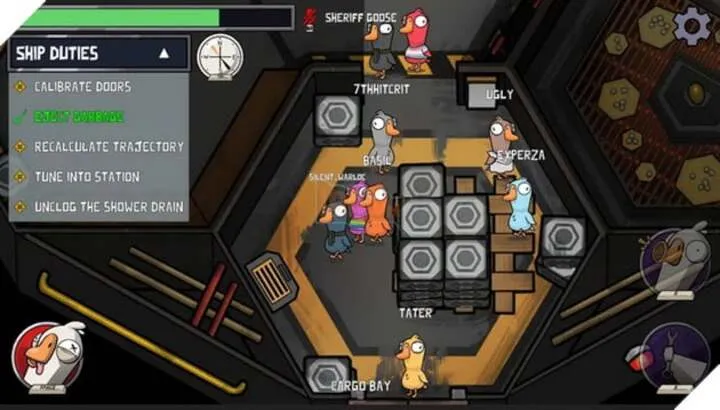
2. Learning Map Awareness
Awareness Improves Accuracy
Players who know the map well gather more useful information.
Map Knowledge Tips
- Learn common routes
- Memorize task locations
- Identify isolated areas
- Understand travel times
Map awareness improves investigations.
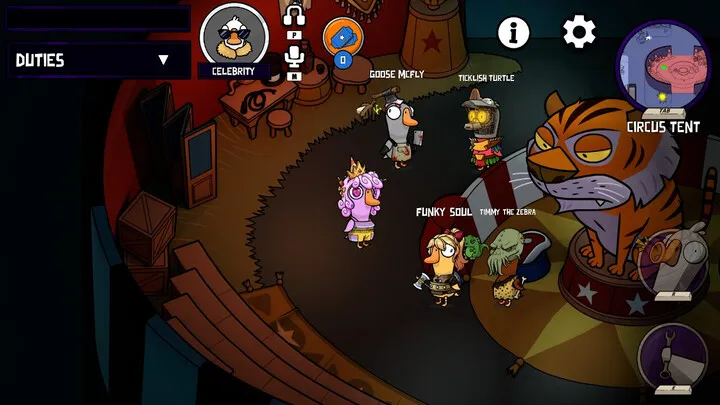
3. Observing Player Behavior
Patterns Reveal Intentions
Suspicious actions often become noticeable over time.
Observation Strategies
- Watch movement consistency
- Note sudden direction changes
- Monitor meeting behavior
- Compare statements with actions
Behavior analysis improves deductions.
4. Communicating Effectively
Communication Shapes Discussions
Poor communication can weaken strong evidence.
Communication Tips
- Present facts clearly
- Avoid emotional arguments
- Stay concise
- Explain observations logically
Clear communication improves credibility.
5. Managing Meetings Efficiently
Meetings Are Strategic Opportunities
Every discussion affects future decisions.
Meeting Strategies
- Share useful information first
- Avoid unnecessary accusations
- Ask specific questions
- Focus on evidence
Organized meetings improve teamwork.
6. Building Trust Carefully
Trust Must Be Earned
Blind trust creates opportunities for mistakes.
Trust Management Tips
- Verify claims when possible
- Watch for contradictions
- Support reliable players
- Avoid assumptions
Balanced trust improves decision-making.
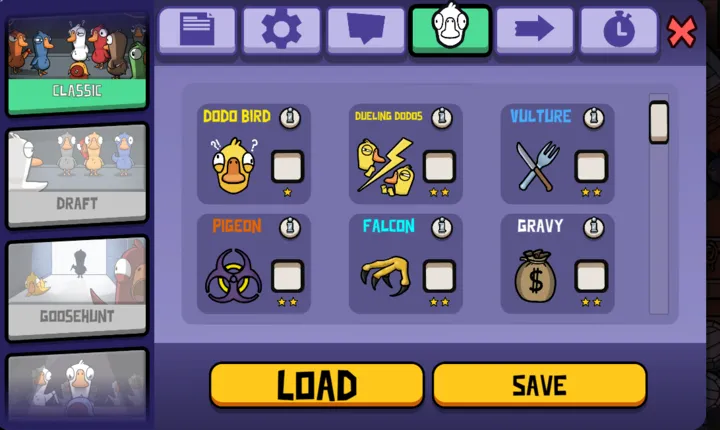
7. Handling Special Roles
Roles Affect Information Flow
Understanding role interactions improves strategic awareness.
Role Awareness Tips
- Learn role capabilities
- Consider alternative explanations
- Verify unusual claims
- Adapt discussions accordingly
Knowledge reduces confusion.
8. Avoiding Common Mistakes
Small Errors Can Be Costly
Many losses come from preventable mistakes.
Common Mistakes
- Voting too quickly
- Ignoring evidence
- Sharing incomplete information
- Following accusations blindly
Discipline improves consistency.
9. Adapting to Different Players
Every Lobby Is Different
Player behavior varies significantly.
Adaptation Strategies
- Observe discussion styles
- Adjust communication approach
- Learn player tendencies
- Remain flexible
Adaptability improves performance.
10. Building Long-Term Deduction Skills
Experience Improves Accuracy
Strong deduction develops through practice.
Long-Term Improvement Tips
- Review past matches
- Learn from mistakes
- Improve observation habits
- Refine communication skills
Consistent improvement creates stronger results.
Conclusion
Mastering social deduction and information control in Goose Goose Duck requires observation, communication, and disciplined thinking. Players who focus on gathering reliable information and managing discussions effectively will consistently make better decisions and contribute more to their team.