






Dying Light is a survival horror action game that combines brutal melee combat, fluid parkour movement, open-world exploration, and relentless day-and-night tension. To truly master the game, you need more than fast reactions. You need to understand how movement, crafting, stamina, combat timing, and environmental awareness all work together. Every rooftop, alley, safe zone, and infected encounter can either become an opportunity or a disaster depending on how well you play.
This guide will help you go from a struggling survivor to a confident runner who can handle both human enemies and the infected. By learning how to move efficiently, fight intelligently, manage gear, and adapt to different threats, you can survive longer, level up faster, and dominate the dangerous world of Dying Light.
Understanding the Core Survival Loop
The first step to mastering Dying Light is understanding its gameplay loop. You explore the city, gather resources, complete missions, craft supplies, improve your skills, and survive encounters with infected and hostile humans. The more effectively you balance these systems, the stronger and more efficient you become.
Unlike many action games, Dying Light rewards preparation just as much as aggression. Running into every fight without enough medkits, weapons, or stamina will quickly get you killed. Success comes from planning routes, looting carefully, and deciding when to fight and when to escape.
The game also constantly changes its pressure based on the time of day. Daytime allows more controlled exploration, while nighttime raises the danger dramatically. Understanding this rhythm is one of the most important parts of long-term mastery.
Mastering Parkour and Movement
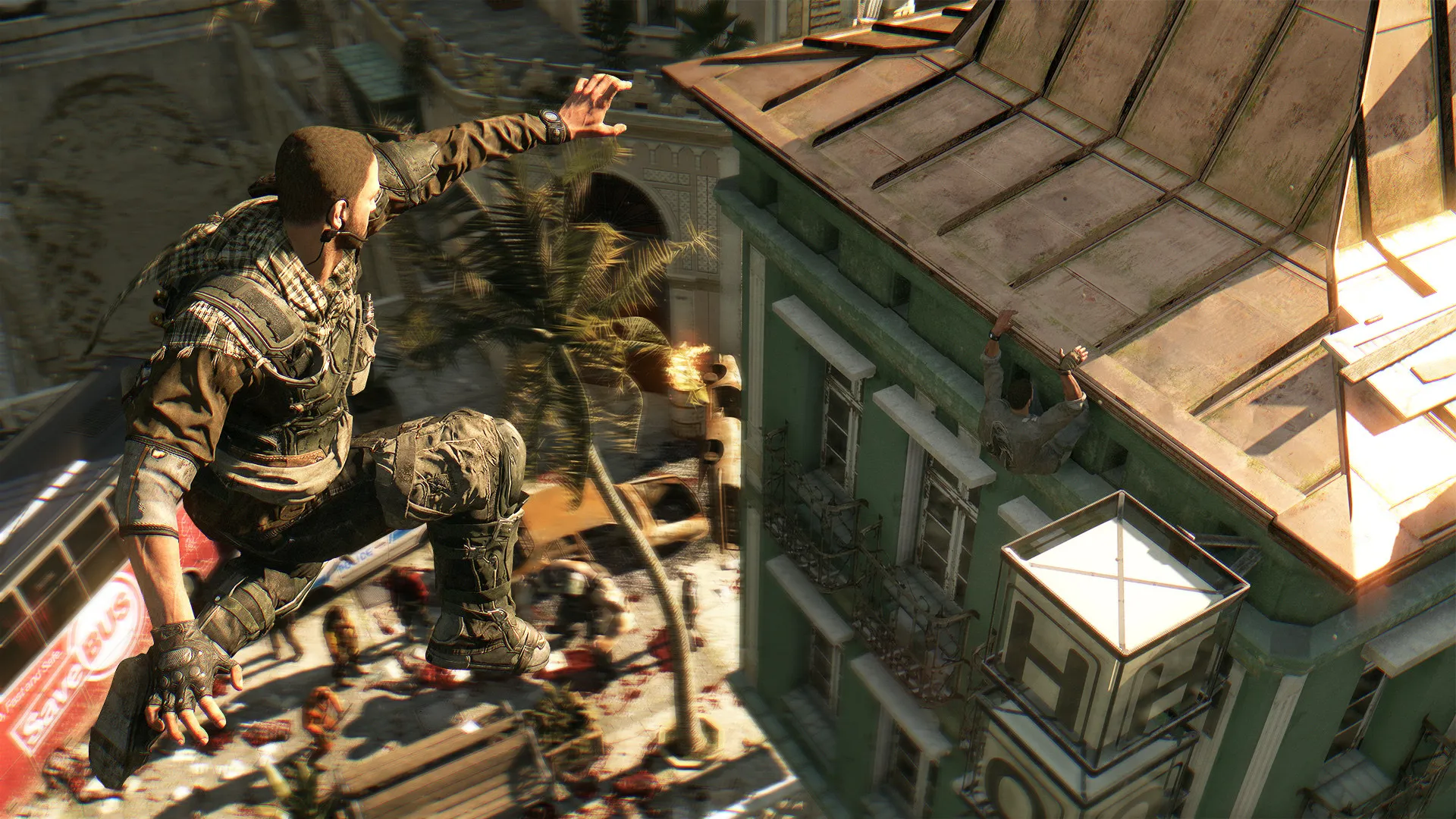
Movement is the heart of Dying Light. Parkour is not just a fun traversal mechanic—it is your main survival tool. Learning how to climb, jump, vault, slide, and chain movement smoothly allows you to stay ahead of zombies, avoid traps, and reach valuable loot spots quickly.
In the early game, your movement may feel limited because stamina and agility options are weaker. Keep practicing rooftop travel, obstacle clearing, and escape routes. As your agility level increases, movement becomes much faster and more flexible, opening up new paths and making dangerous situations easier to control.
You should also learn to read the environment while moving. Rooftops are usually safer than streets, and verticality gives you a huge advantage. The best players rarely move without thinking two or three steps ahead, always knowing where the next ledge, ladder, or landing zone is located.
Learning How to Fight Infected Efficiently
Combat in Dying Light is heavy, physical, and often dangerous at close range. Most fights are centered around melee weapons, which means timing, spacing, and stamina control matter a lot. Swinging wildly wastes stamina and leaves you exposed, especially when multiple infected surround you.
Try to focus on controlled hits, knockbacks, and positioning rather than pure aggression. Use kicks to create space, target isolated enemies when possible, and avoid getting trapped in corners. The environment can also help you a lot. Spikes, ledges, traps, and narrow pathways can turn difficult fights into easy wins.
Different infected types require different responses. Basic biters are slow but dangerous in groups, while virals are faster and more aggressive. Learning the behavior of each enemy type helps you choose the right strategy instead of treating every fight the same way.
Managing Weapons, Durability, and Crafting
Weapon management is one of the most important systems in Dying Light. Most melee weapons break over time, which means you cannot rely on a single favorite weapon forever. Instead, you need to treat weapons as part of a rotating survival toolkit.
Loot constantly and keep backup weapons ready. Early on, even simple pipes, wrenches, and table legs can be useful if upgraded properly. As you progress, better weapons become available, but durability still matters. Repairing weapons wisely and saving powerful gear for tough encounters makes a big difference.
Crafting is equally essential. Medkits, lockpicks, elemental weapon mods, and throwable items all increase your survivability. Always gather materials when exploring, even if they seem minor. Small crafting components often become life-saving tools later in the game.
Using the Day and Night Cycle to Your Advantage
The day and night cycle changes how Dying Light feels and how it should be played. During the day, infected are dangerous but more manageable, making it the best time for exploration, looting, and safe objective progression. At night, the world becomes far more hostile, with stronger enemies and a much higher risk of death.
Nighttime can feel terrifying at first, but it is also highly rewarding. Agility and power experience gains increase significantly, which means brave players can level faster if they survive. The key is not to panic. Move across rooftops, avoid street-level exposure, and keep safe zones in mind before going out after dark.
As you improve, night becomes less of a threat and more of an opportunity. Mastery means knowing when to use darkness for progression and when to retreat before greed gets you killed.
Leveling Up Power, Agility, and Survivor Skills
Dying Light’s progression system is divided into Power, Agility, and Survivor skill trees. Each one supports a different part of your performance, and true mastery comes from developing all three instead of ignoring one.
Power improves your combat potential. The more you fight and defeat enemies, the stronger your attacks and combat options become. Agility grows through movement, climbing, jumping, and escape actions, making your traversal faster and smoother. Survivor increases through mission progress, supply drops, and general advancement, unlocking crafting blueprints and utility benefits.
A balanced approach works best. Players who only focus on combat often struggle with mobility, while players who only run may lack the strength to survive unavoidable fights. Build all three steadily and your character will become much more complete and reliable.
Handling Human Enemies and Armed Threats
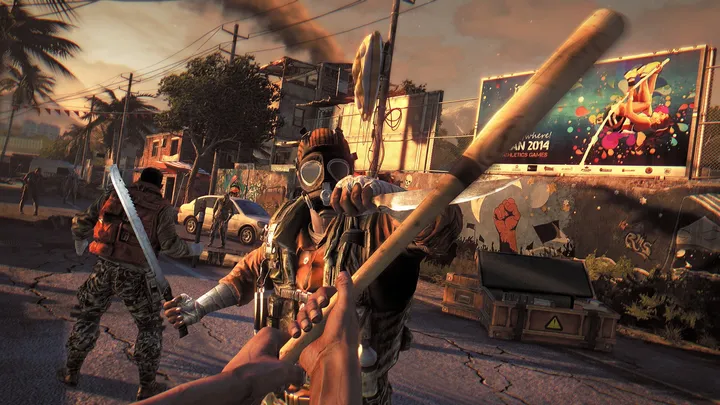
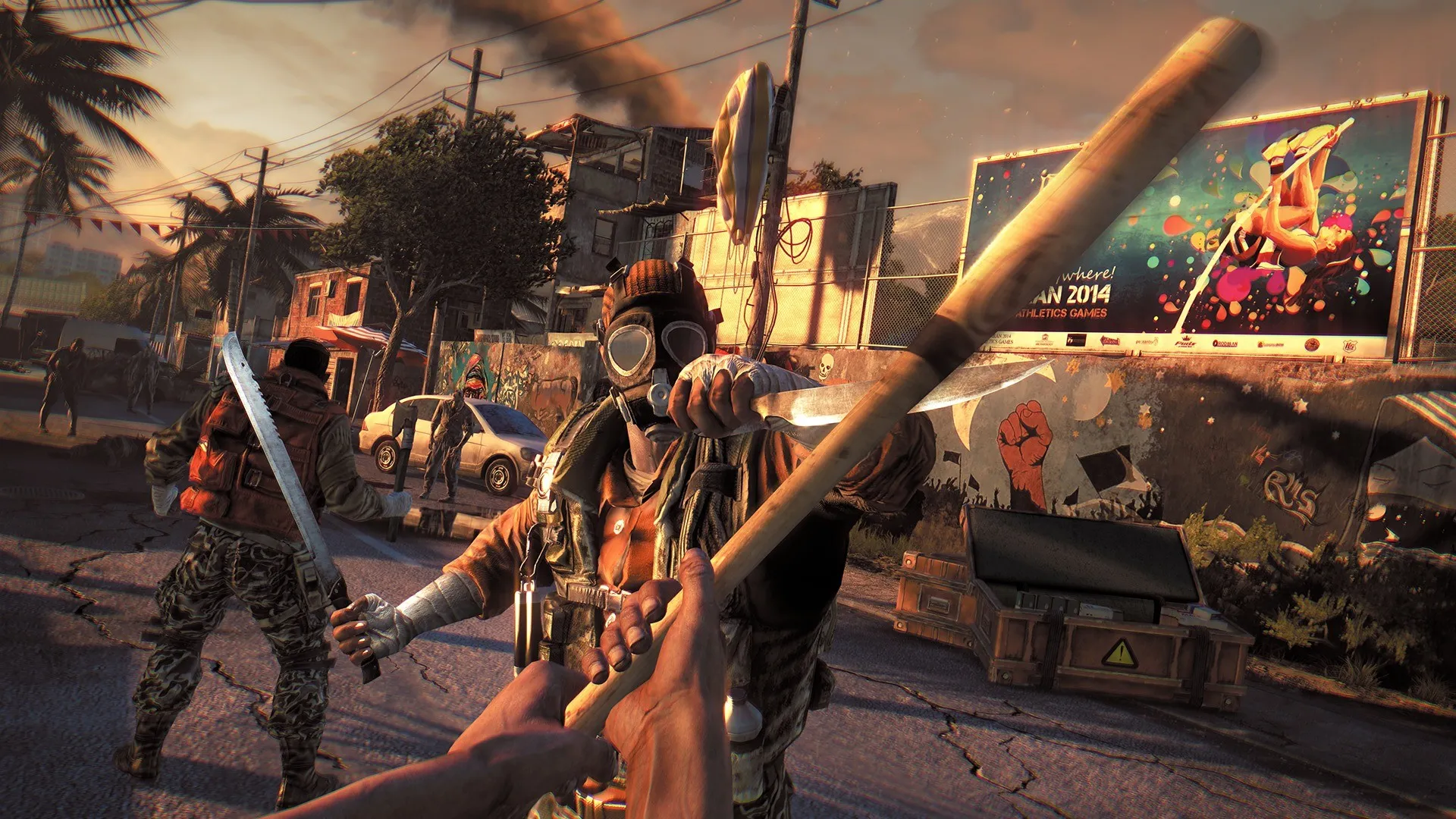
Not every enemy in Dying Light is infected. Human enemies can be even more dangerous because they block, dodge, and use weapons intelligently. Some groups also carry ranged weapons, which makes them especially threatening in open spaces.
Against melee humans, patience works better than rushing. Watch their attacks, bait swings, then counter when they are open. Kicks, dodges, and environmental movement can help break their rhythm. Fighting humans feels more tactical than fighting zombies, so it helps to slow down and stay controlled.
Armed enemies require even more caution. Guns attract infected, which creates chaos, but they can still kill you quickly. Use cover, reposition constantly, and do not stand in open lanes. The best approach is often to close distance quickly or avoid a direct confrontation until you are better equipped.
Exploring the World for Resources and Safe Zones
Exploration in Dying Light is always worth it if done smartly. The world is full of crafting materials, weapons, blueprints, supply drops, hidden interiors, and side activities. Players who explore thoroughly usually progress faster and have a much easier time surviving difficult missions.
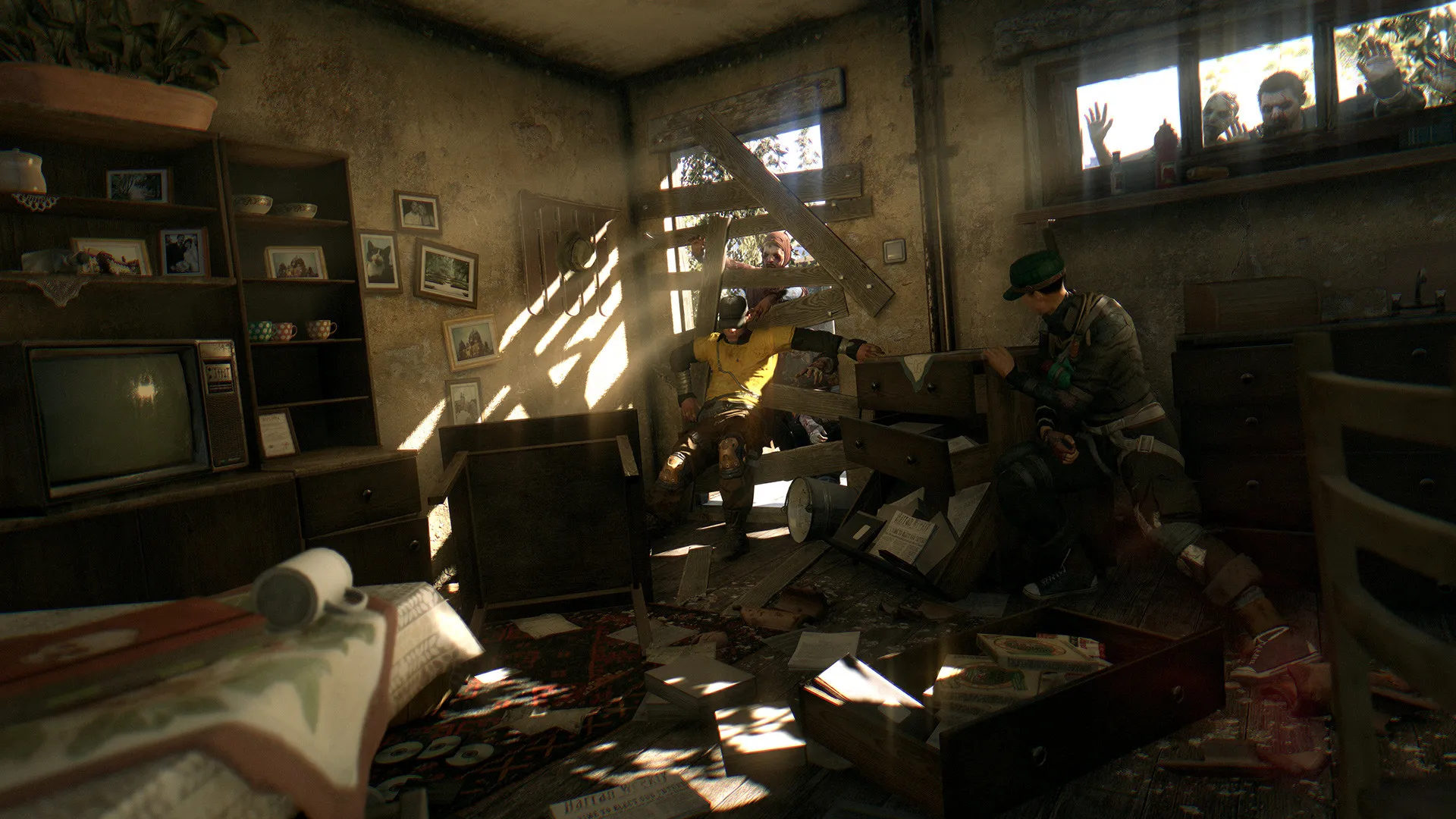
Safe zones are especially important. Unlocking them gives you places to rest, reset, and escape danger. The more safe zones you activate, the more freedom you have to travel confidently across the map. They also become crucial checkpoints during nighttime runs.
When exploring, always think about value versus risk. Some buildings offer excellent loot but are packed with infected. Some streets may look faster but are much more dangerous than rooftop routes. Good exploration is not random—it is careful, efficient, and always aware of escape options.
Preparing for Advanced Infected and Late-Game Challenges
As the game progresses, Dying Light introduces tougher enemies and more complex combat scenarios. Special infected can punish lazy movement, weak timing, or poor awareness. Some explode, some charge, some leap, and some hunt aggressively at night. These enemies force you to stay sharp and adaptable.
Late-game mastery depends on preparation. Keep upgraded weapons ready, carry enough healing supplies, and learn how each infected type behaves before committing to a fight. Running away is sometimes smarter than forcing a risky battle, especially when special infected appear in groups.
You should also refine your toolkit as challenges increase. Traps, elemental upgrades, throwable weapons, and environmental kills become more valuable later on. The stronger the enemy, the more useful smart tools become compared to simple melee trading.
Developing the Mindset of a True Survivor
The final step in mastering Dying Light is developing the right mindset. This is not a game where reckless aggression consistently wins. It rewards awareness, adaptability, patience, and quick judgment. You need to know when to fight, when to flee, when to climb, and when to slow down.
A true survivor always pays attention to surroundings. They know where enemies are, where exits are, what supplies they have left, and what risks are worth taking. They do not waste resources carelessly, and they do not let panic ruin their decisions.
Over time, the world of Dying Light becomes less overwhelming because you begin to read it naturally. You stop reacting blindly and start controlling situations. That shift—from surviving moment to moment to managing the world with confidence—is what real mastery looks like.
Conclusion
Mastering Dying Light is about combining movement, combat, resource management, and environmental awareness into one flexible survival style. By improving your parkour, using weapons wisely, understanding infected behavior, leveling your skill trees evenly, and treating day and night differently, you can turn one of gaming’s most dangerous cities into a place you know how to control. With practice, patience, and smart decision-making, you stop being hunted and start becoming the survivor the city fears.