



Introduction
inZOI is a next-generation life simulation game that pushes realism, creativity, and player freedom far beyond traditional genre boundaries. Built with cutting-edge visuals and deep systemic interactions, inZOI allows players to create highly detailed characters, build expressive homes, and shape everyday lives through choices that feel personal and meaningful. Unlike older life sims, inZOI emphasizes emotional depth, social nuance, and a world that responds dynamically to player behavior.
Because of this complexity, new players can feel overwhelmed at first. Success in inZOI is not about rushing objectives, but about understanding systems, pacing your progression, and making intentional decisions. This guide provides practical tips and strategies to help you manage characters, careers, relationships, and creativity efficiently while still enjoying the freedom that defines inZOI.
Understanding inZOI’s Core Simulation Systems
At its core, inZOI is driven by interconnected systems rather than scripted outcomes. Characters have emotional states, needs, routines, and long-term goals that influence how they behave and react to the world. Ignoring one system often leads to unexpected consequences in another.
For example, emotional stress affects job performance, relationships influence daily motivation, and lifestyle choices shape long-term development. Learning how these systems overlap allows you to anticipate problems before they appear. Instead of reacting to failures, you begin managing causes.
Spend early gameplay observing patterns. Watch how characters respond to schedules, environments, and interactions. This understanding is the foundation of efficient progression.
Creating Characters with Long-Term Growth in Mind
Character creation in inZOI goes far beyond appearance. Personality traits, background choices, and starting preferences influence how characters develop over time. A poorly planned character may struggle later, while a well-balanced one adapts easily.
Avoid extreme trait stacking early on. While specialized personalities are interesting, they can limit flexibility in careers and relationships. Balanced characters handle stress better and adapt to changing situations.
Strong character creation tips:
- Choose complementary traits
- Avoid conflicting personality extremes
- Consider career compatibility
- Balance ambition with emotional stability
A thoughtful start prevents long-term frustration.
Managing Needs, Emotions, and Daily Routines
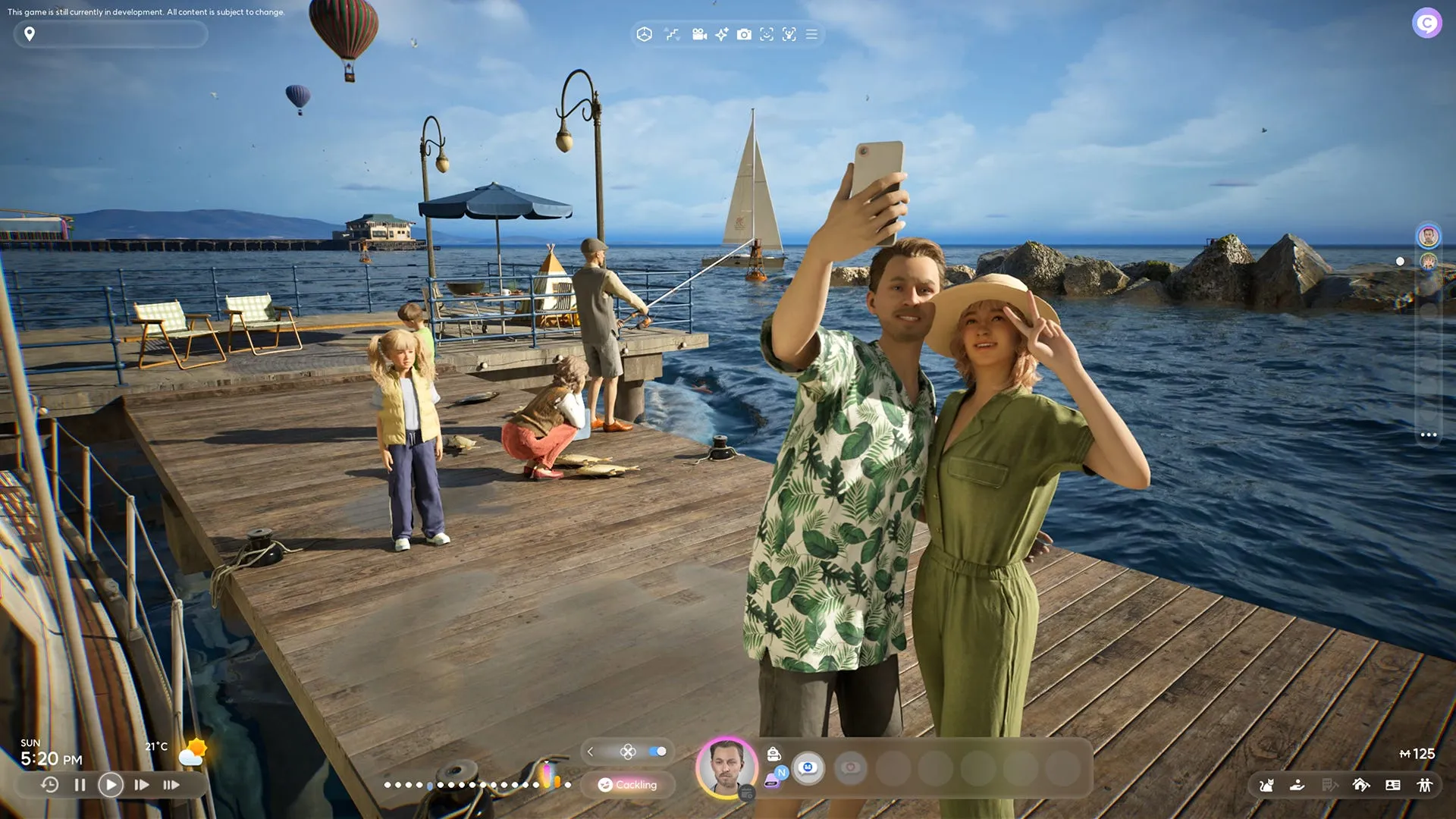
Daily life in inZOI revolves around managing needs such as rest, social interaction, hygiene, and mental well-being. Neglecting these needs leads to emotional instability, poor performance, and strained relationships.
Routine management is the key to stability. Establish consistent sleep schedules, regular social time, and structured work hours. Characters who follow routines perform better and experience fewer emotional breakdowns.
Efficiency comes from prevention. Address needs early instead of waiting for emergencies. Small adjustments maintain long-term harmony.
Career Progression and Skill Development
Careers in inZOI are dynamic and influenced by skills, mood, reputation, and social connections. Advancement is not purely linear and often requires strategic preparation.
Rather than grinding skills endlessly, focus on those relevant to your chosen career path. Overtraining irrelevant skills wastes time and increases burnout risk. Networking and emotional stability are just as important as raw skill levels.
Career advancement tips:
- Match skills to career goals
- Maintain emotional balance
- Build workplace relationships
- Avoid overworking
Smart pacing leads to sustainable success.
Social Interaction and Relationship Building
Relationships in inZOI are deep and reactive. Conversations, shared experiences, and emotional timing matter more than repetitive interactions. Forcing relationships often backfires.
Pay attention to emotional context. Characters respond differently depending on mood, environment, and recent events. A well-timed conversation builds trust faster than constant interaction.
Healthy relationship strategies include:
- Respect emotional states
- Balance independence and attention
- Avoid repetitive dialogue choices
- Resolve conflicts early
Strong relationships stabilize the entire life simulation.
Housing, Environment, and Lifestyle Optimization
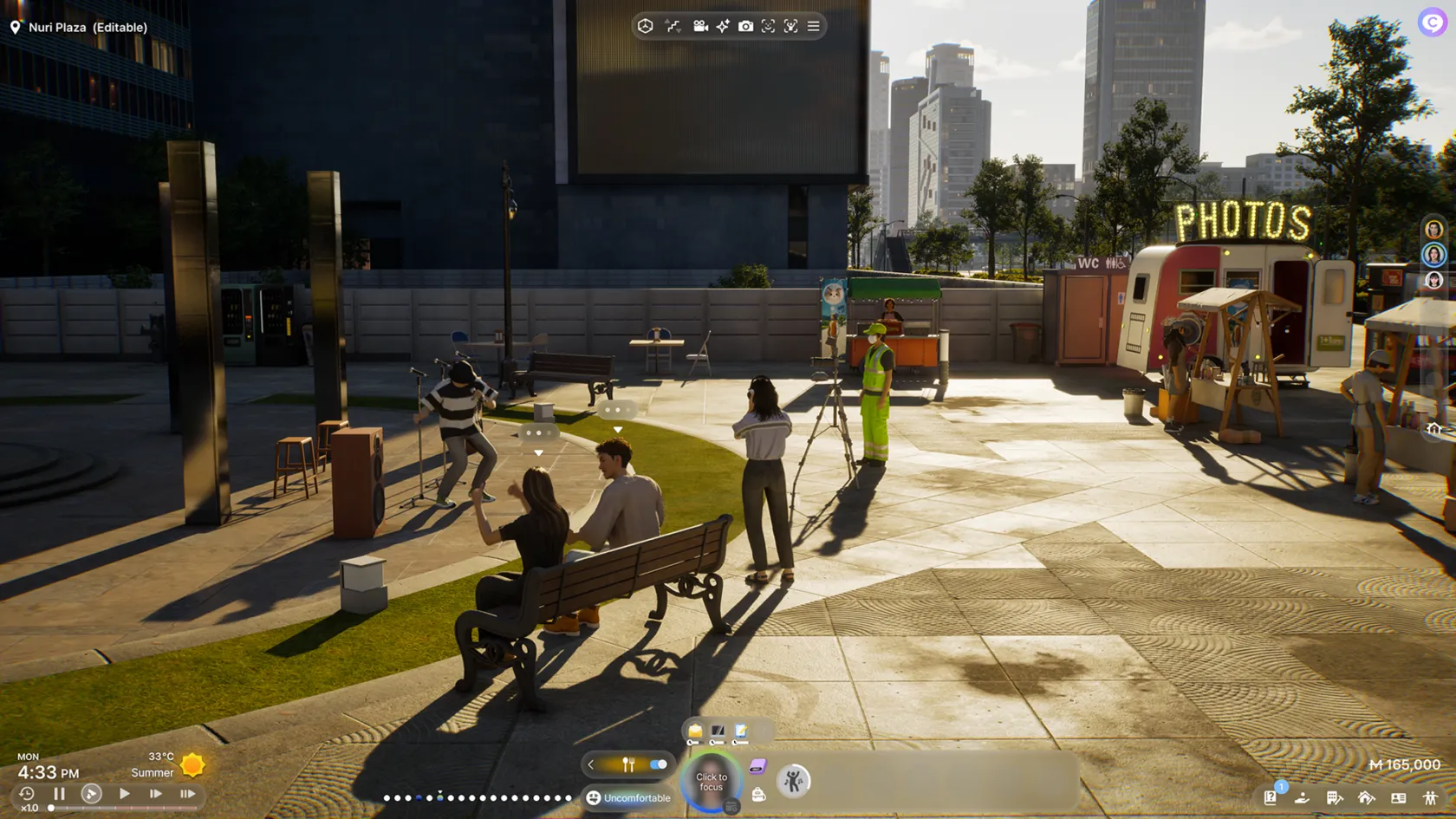
Living spaces in inZOI directly influence mood, productivity, and creativity. A poorly designed home increases stress, while a thoughtful layout enhances daily performance.
Focus on functionality first, aesthetics second. Ensure smooth movement paths, quiet rest areas, and efficient workspaces. Overdecorating may look good but harm performance.
Environmental optimization tips:
- Separate work and rest zones
- Prioritize comfort items
- Avoid cluttered layouts
- Improve lighting and space flow
A good home supports a good life.
Money Management and Smart Spending
Currency management is critical in inZOI, especially early on. Overspending on décor or unnecessary upgrades can trap you in financial stress cycles.
Prioritize investments that improve productivity or emotional stability. Luxury items are best saved for later when income is stable. Emergency funds prevent cascading failures during unexpected events.
Financial discipline tips:
- Budget weekly expenses
- Invest in skill-enhancing items
- Avoid impulse purchases
- Maintain savings buffer
Financial stability equals creative freedom.
Creativity Tools and Self-Expression
One of inZOI’s strongest features is its creative freedom. From character fashion to home design, self-expression is deeply integrated into gameplay systems.
Creativity is not just cosmetic. Personalized spaces and styles boost mood and identity satisfaction. However, creativity should complement gameplay rather than disrupt it.
Use creative tools intentionally. Design spaces and appearances that support your character’s lifestyle and goals rather than distracting from them.
Exploration, Events, and World Interaction
The world of inZOI is filled with events, opportunities, and environmental storytelling. Ignoring the world limits character growth and emotional richness.
Participating in events introduces new relationships, career paths, and emotional experiences. Exploration keeps gameplay fresh and prevents stagnation.
Make time to:
- Attend social events
- Explore neighborhoods
- Engage in community activities
- Observe NPC behavior
The world rewards curiosity and presence.
Long-Term Planning and Avoiding Burnout
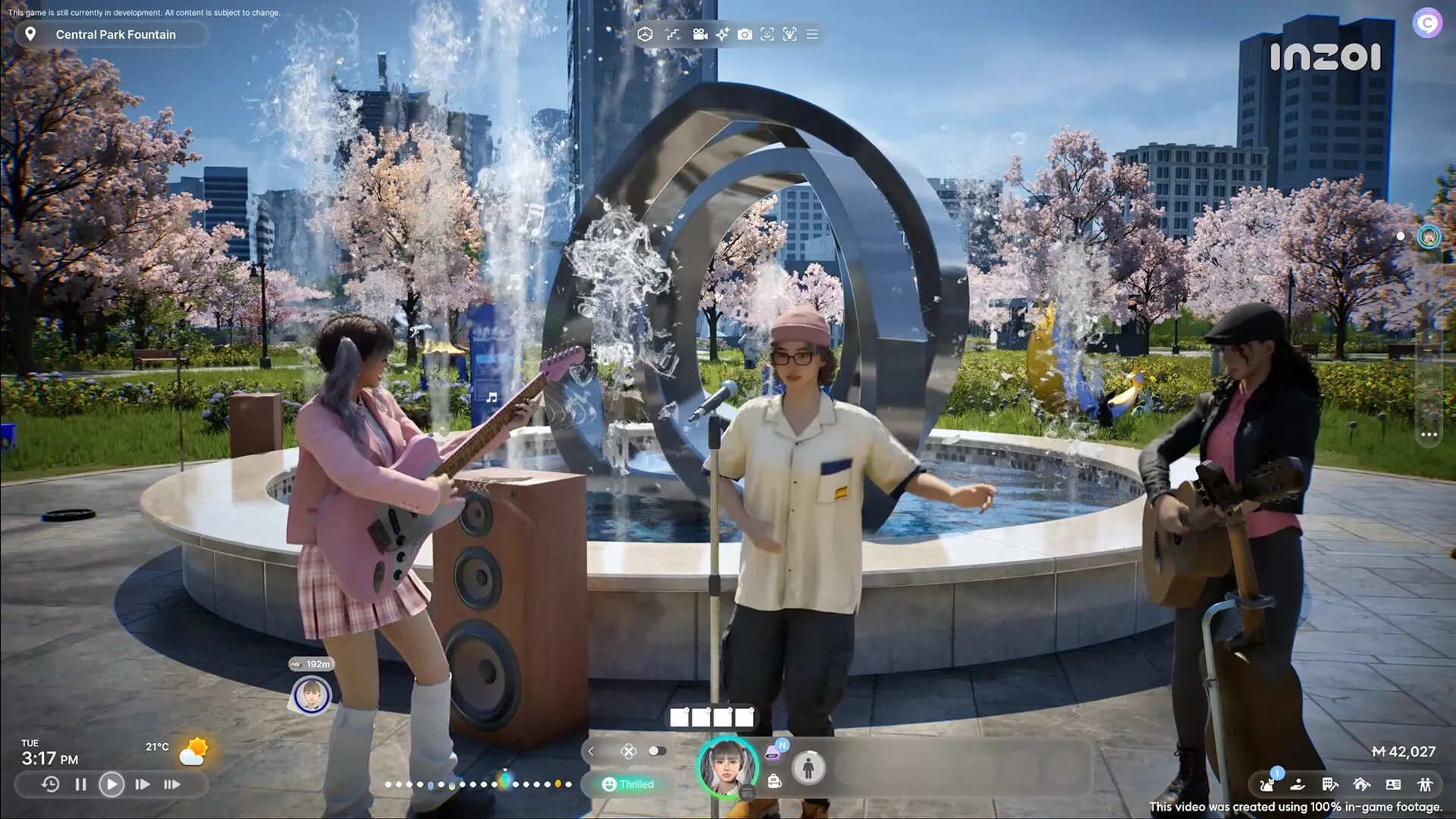
inZOI is designed for long-term play. Rushing goals often leads to emotional burnout and system collapse. Sustainable progression comes from pacing and reflection.
Plan life stages rather than short-term gains. Allow characters downtime and transitions. Accept imperfection as part of the simulation rather than a failure.
Long-term success habits:
- Set flexible goals
- Allow rest periods
- Adjust strategies over time
- Embrace emergent storytelling
Patience creates richer stories.
Conclusion
inZOI is not about winning or finishing objectives—it is about living a believable digital life shaped by meaningful choices. Players who take time to understand systems, manage emotions, and plan thoughtfully will experience deeper stories and smoother progression.
By applying these tips and guides, you gain control without sacrificing creativity. You will build stable characters, meaningful relationships, and expressive worlds that evolve naturally. Mastery in inZOI comes from balance, awareness, and intentional living.
160-character summary
Master inZOI with expert tips on character creation, emotions, careers, relationships, money, and creativity for smooth, meaningful life simulation.