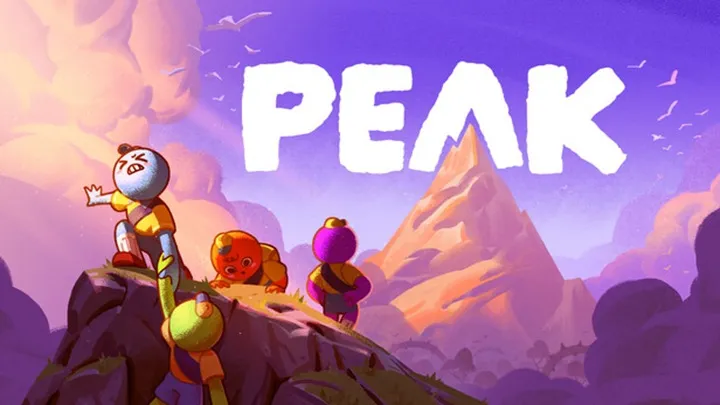




PEAK is an intense survival and climbing-focused experience that challenges players to ascend dangerous environments where every step matters. As a rising hot game, it combines minimalistic design with unforgiving mechanics, creating a tense atmosphere that rewards patience, planning, and skill. Unlike traditional action games, PEAK turns movement itself into the core challenge.
This in-depth guide explains how to play PEAK, master its climbing systems, manage stamina, and survive increasingly hostile terrain. For players who enjoy realistic survival mechanics and high-risk exploration, this hot game offers a uniquely gripping experience.
1. The Core Idea Behind PEAK
At its foundation, PEAK is about ascent. The goal is simple: climb higher than before. However, the path is filled with environmental hazards, limited resources, and punishing mistakes.
This design philosophy is what makes PEAK a hot game among players who appreciate skill-based progression rather than power-based upgrades.
Design Vision
The game focuses on tension created by vertical movement.
Key Concepts
- Precision over speed
- Risk versus reward
- Minimal UI and guidance
- Environmental storytelling
2. Why PEAK Is a Hot Game
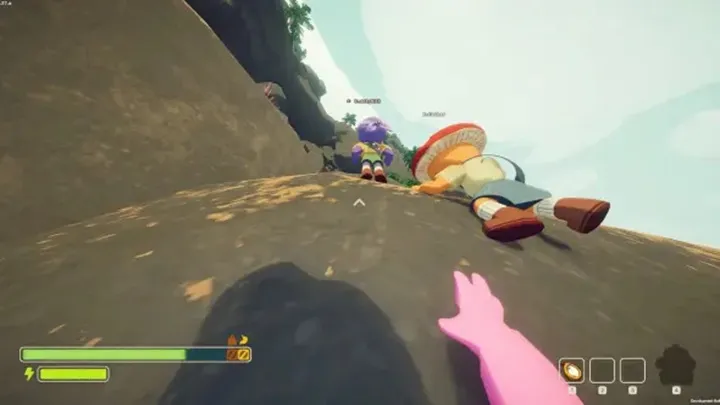
The popularity of PEAK comes from its purity. There are no shortcuts, no easy wins, and no forgiving mechanics. Every climb feels earned.
This honesty in design has helped PEAK become a hot game, especially among streamers and players who enjoy watching skill-based challenges.
Reasons for Popularity
- High difficulty and satisfaction
- Unique climbing mechanics
- Strong sense of immersion
- Community-driven challenges
Player Appeal
Failure is common, but success feels unforgettable.
3. How to Get Started in PEAK
New players often ask how to survive the first climbs. PEAK offers little instruction, forcing players to learn through experience.
Early gameplay focuses on understanding movement, stamina, and grip mechanics.
Beginner Priorities
- Learn basic climbing controls
- Observe terrain closely
- Conserve stamina
Starter Tips
- Move slowly and deliberately
- Plan handholds before moving
- Avoid unnecessary jumps

4. Movement, Stamina, and Physics
Movement in PEAK is deliberate and weighty. Each action consumes stamina, and poor planning leads to falls.
Understanding how to manage momentum and stamina is essential.
Core Mechanics
- Grip strength
- Stamina drain
- Recovery timing
Physics Awareness
Gravity is the true enemy.
5. How to Read Terrain and Plan Routes
Terrain reading is a critical skill in PEAK. Surfaces differ in grip, stability, and risk.
Learning how to identify safe routes dramatically improves survival.
Terrain Types
- Stable rock faces
- Slippery surfaces
- Crumbling ledges
Route Planning
The safest path is rarely the shortest.
6. Environmental Hazards and Survival Pressure
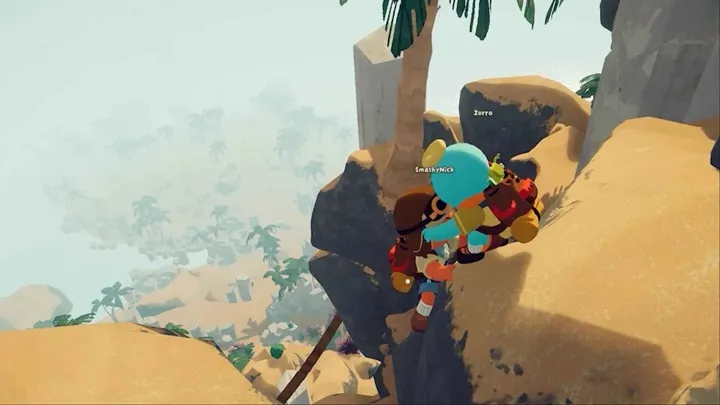
Beyond gravity, PEAK introduces environmental dangers such as weather, temperature, and unstable structures.
These hazards increase tension and reinforce its reputation as a hot game.
Common Hazards
- Strong winds
- Cold exposure
- Falling debris
Adaptive Play
Adjust strategy as conditions change.
7. Strategy, Patience, and Mental Control
Success in PEAK depends as much on mindset as mechanics. Rushing often leads to failure.
Learning how to remain calm under pressure is vital.
Mental Strategies
- Pause before difficult moves
- Accept setbacks calmly
- Focus on consistency
Psychological Challenge
The climb tests patience more than reflexes.
8. Replayability and Skill Progression
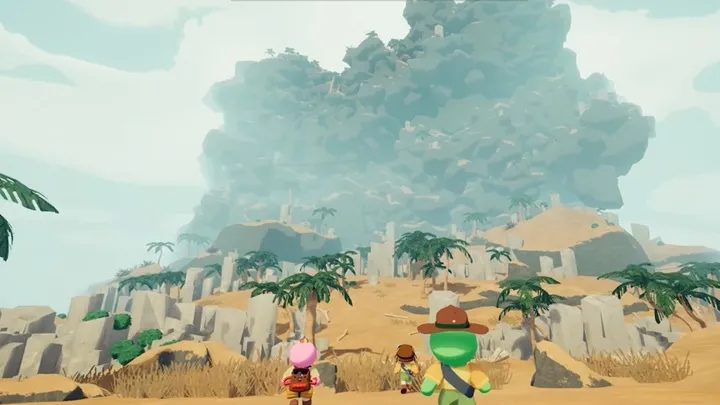
Every climb in PEAK feels different due to player decisions and environmental variables.
This organic replayability helps define PEAK as a long-term hot game.
Replay Factors
- Multiple climbing routes
- Increasing personal skill
- Self-imposed challenges
Growth Through Failure
Each fall teaches valuable lessons.
9. Community, Challenges, and Player Stories
The PEAK community thrives on shared experiences. Players exchange routes, tips, and stories of near-fatal climbs.
This social aspect strengthens the game’s longevity.
Community Activities
- Speed climbing challenges
- No-fall runs
- Minimal stamina attempts
Shared Struggle
The difficulty builds strong player bonds.
10. The Future of PEAK
The future of PEAK looks promising, with potential expansions adding new environments, mechanics, and challenges.
Continued refinement could secure its place as a defining hot game in the survival genre.
Potential Updates
- New biomes
- Advanced climbing tools
- Expanded weather systems
Developer Vision
To deepen immersion while preserving challenge.
Conclusion
PEAK is a demanding hot game that transforms climbing into a test of skill, patience, and mental endurance. By learning how to manage stamina, read terrain, and control risk, players experience a raw and rewarding survival journey.
For those who enjoy unforgiving mechanics and meaningful progression, PEAK stands as a powerful example of minimalist game design done right.